Flying leads
Electrical, optical and hydraulic flying leads, made to the interface and routed for the layout.
Our subsea division is an engineering practice first. We are engaged for technical judgement — design, calculation, verification and field support — on projects where the cost of being approximately right is measured in vessel days.
A component that is merely adequate on paper becomes a re-mobilisation and a claim once it is over the side. Our engineering centre therefore starts where the specification is still open: feasibility, design of equipment and interfaces, structural and hydrodynamic calculation, material selection for the service life and the environment actually present at the site.
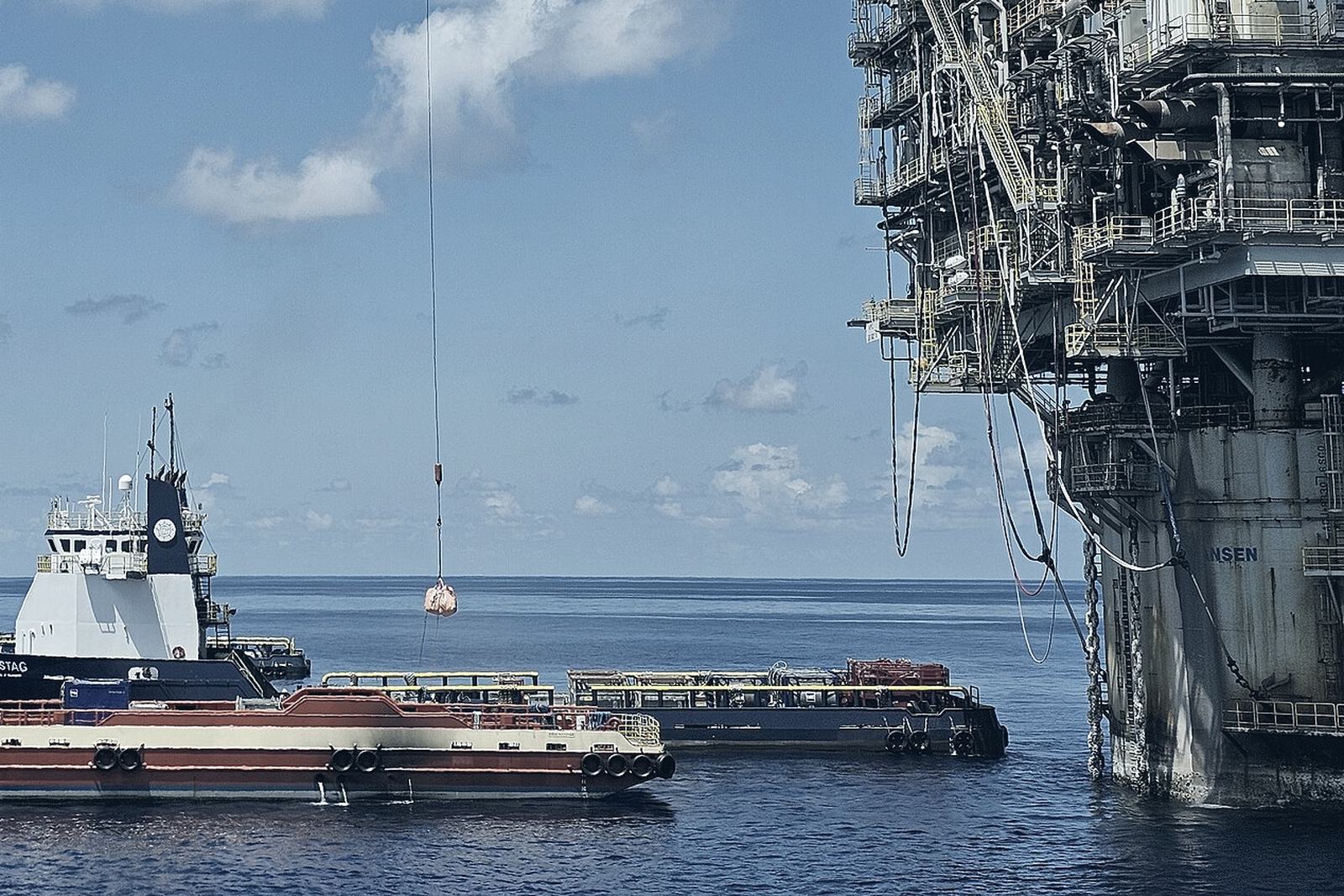
We stay with the work through manufacture and verification. We attend the factory, we witness testing, and we run FAT and SAT with our own people rather than accepting a supplier's certificate at face value. Offshore, our specialists support installation, commissioning and troubleshooting in the field.
Where a project also needs the hardware, we supply it — but the supply follows the engineering rather than driving it. That order matters: we are not motivated to specify what we happen to have.
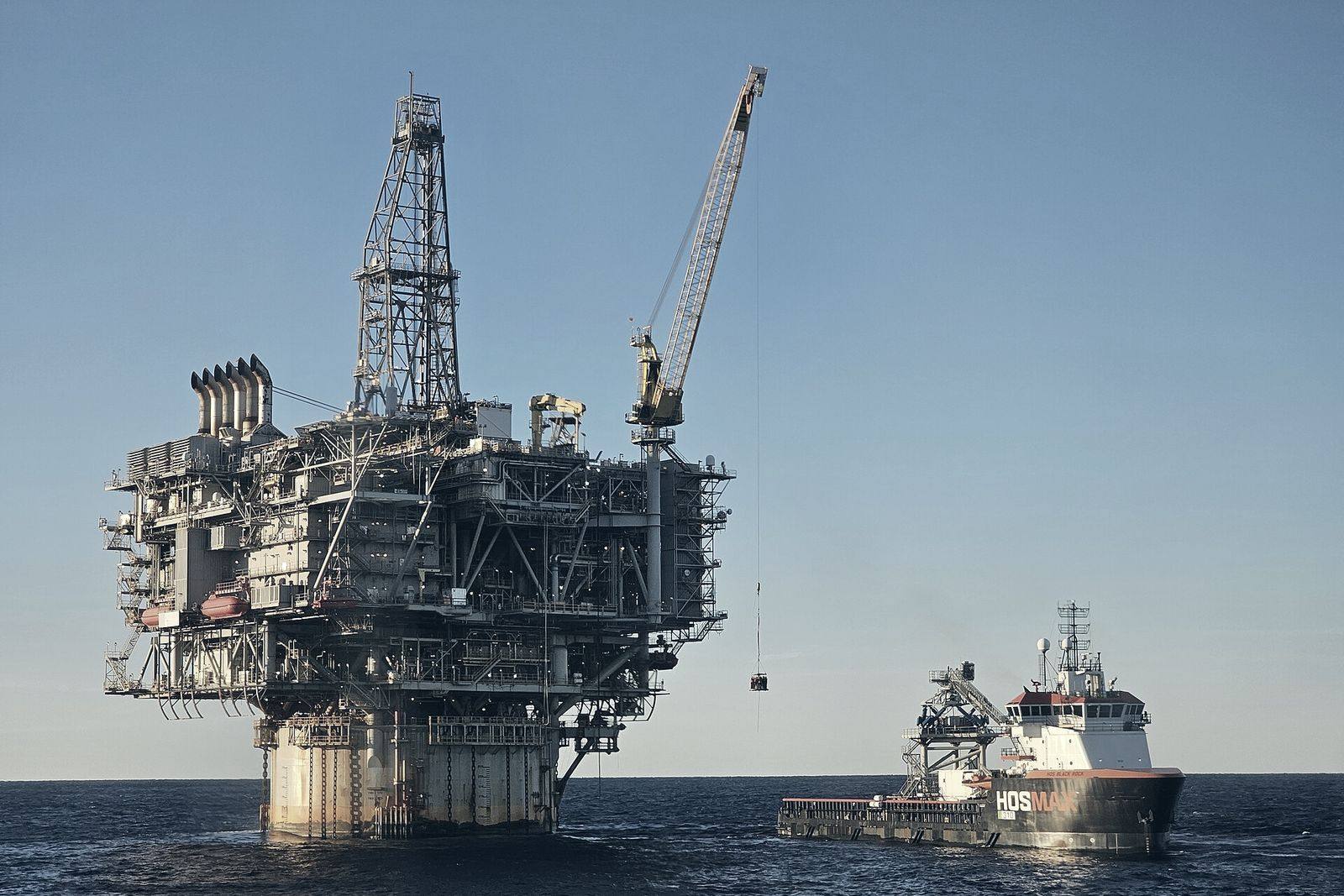
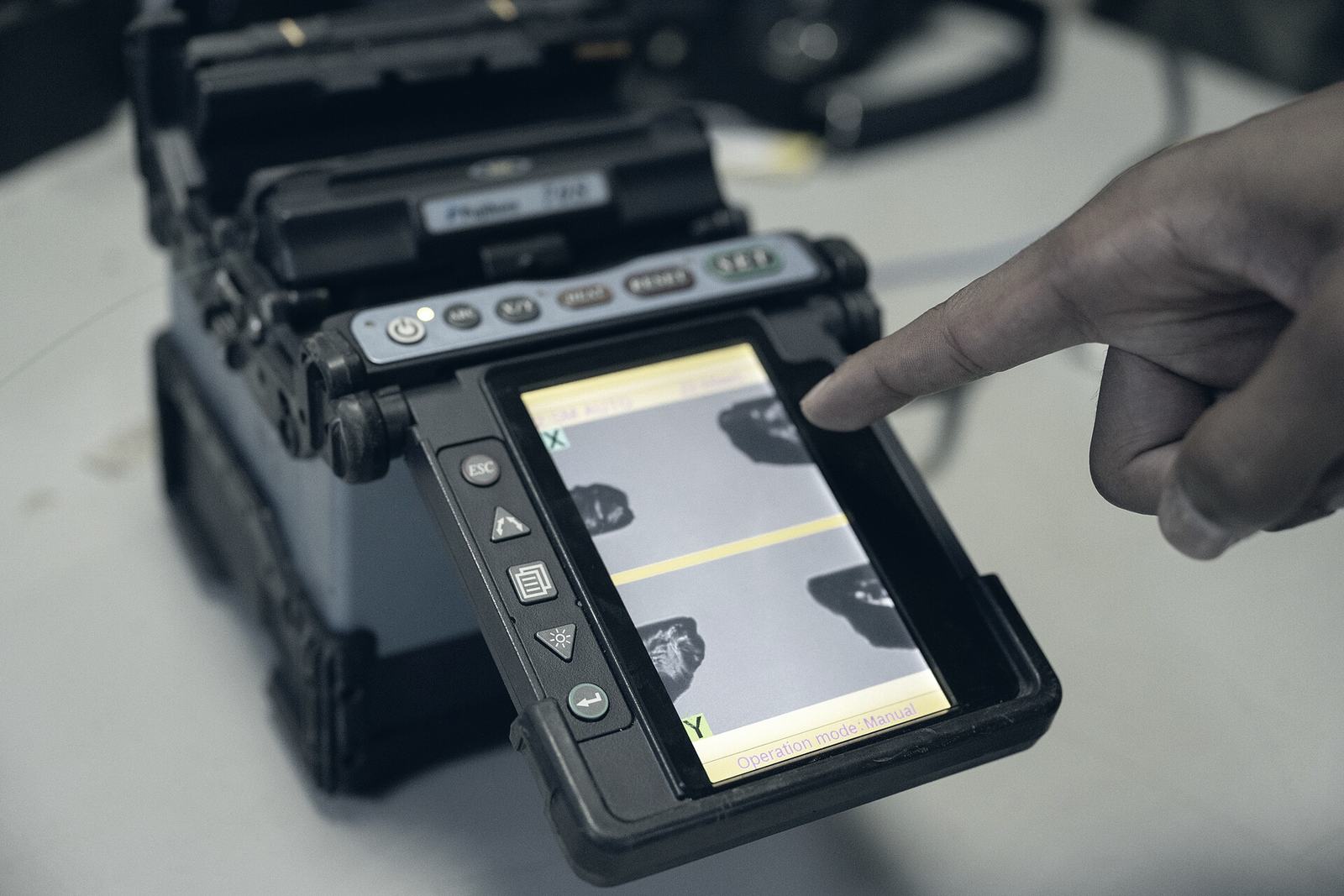
Electrical, optical and hydraulic flying leads, made to the interface and routed for the layout.
Wet-mate and dry-mate electrical, optical and hybrid connectors, with matching penetrators.
End terminations, guide frames, hang-off tooling, support brackets and tie-in hardware.
Distributed and clamp-on buoyancy rated for the depth and the service life at the site.
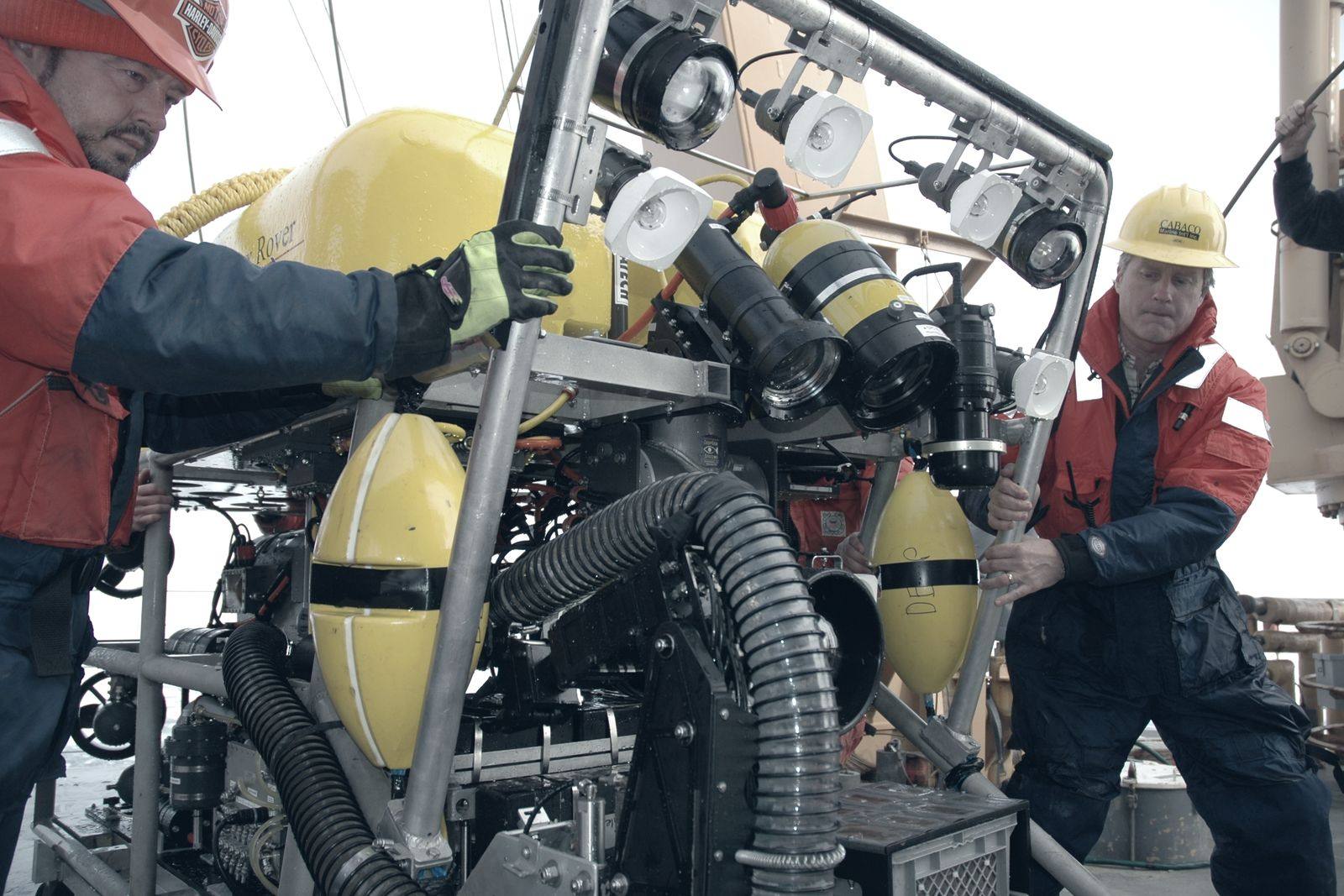
ROV-compatible tools, torque tools, hydraulic actuators, mechanical connectors and marking systems.
Mattresses, covers, bend restrictors and stiffeners for cable and flowline protection.
A significant part of our engineering work is electrical and optical rather than structural. Subsea and offshore installations fail at their connections far more often than at their steel, so that is where we concentrate.
Where equipment is ageing or has been decommissioned, we run complete reconditioning programmes — technical diagnostics, part replacement, recertification and testing. It extends the life of expensive assets, reduces cost, and takes less out of the ground than building new.
Components comply with the major international certifications, including DNV, ISO and API, and are specified for the depth and service conditions actually present at the site.
Send the water depth, the interfaces and the schedule. We will scope the engineering first and the equipment second.